
Postpartum hair loss is one of the more frustrating changes many women experience after pregnancy. I can say that personally, as a mom of two, it is absolutely worth it, but that does not make the shedding phase any easier to go through.
Your hair may feel thinner than it did during pregnancy. Your ponytail might not feel as full. You might even notice some shedding around your temples or hairline that makes things feel a little different than usual. If that sounds familiar, you aren’t alone in it.
This is a very common part of the postpartum experience, even though it doesn’t get talked about much.
What I see a lot is advice that stays pretty vague. Things like “it’ll grow back,” “take your prenatals,” or “it’s just hormones.” That information isn’t wrong, but it also doesn’t really help you understand what you can actually do in the meantime to support your hair.
As a cosmetologist, I’ve worked with a lot of women going through this exact phase. Some approaches are genuinely supportive for regrowth over time, and others mostly just help you feel like you’re doing something without making a noticeable difference.
What Causes Postpartum Hair Loss?
When I had my oldest, I knew postpartum hair loss was a thing, but I never really understood why it happens.
Postpartum hair loss is a type of shedding called telogen effluvium. During pregnancy, rising estrogen levels keep more or your hairs in the active growth phase. That’s why many women notice fuller, thicker hair while they’re expecting.
After delivery, hormone levels drop quickly, and all of those hairs that were “held” in the growth phase shift into the shedding phase at roughly the same time. The result? A dramatic increase in hair fall.
Although it can feel alarming, this process is a very normal response to hormonal changes after pregnancy and is not a cause for concern; however, that doesn’t mean you simply have to ‘wait it out’ without supporting your hair along the way.

When Does Postpartum Hair Loss Start?
It’s important to clarify that every person is different, and whether or not you are breastfeeding can affect your timeline as well, but many women begin noticing increased shedding around two to four months postpartum.
Shedding often peaks between four and six months and gradually improves over the following several months.
A typical timeline looks like this:
- 2–4 months postpartum: Shedding begins.
- 4–6 months postpartum: Hair loss is often at its most noticeable.
- 6–12 months postpartum: Regrowth becomes more visible.
- 12+ months postpartum: Most women see significant recovery.
One of the first signs of regrowth most of us notice is a halo of short baby hairs around the hairline and temples. While these can be difficult to style, they’re usually a reassuring sign that new growth is underway.
When Postpartum Shedding Doesn’t Fully Resolve
While postpartum hair loss is considered temporary, it can sometimes uncover an underlying disposition to thinning that was already developing.
This is especially common if you:
- Have a family history of hair loss.
- Have experienced thinning before pregnancy.
- Notice a widening part.
- Continue shedding heavily beyond one year postpartum.
- Have conditions such as thyroid imbalance or iron deficiency.
In these cases, postpartum shedding may be the event that makes existing female pattern hair loss more noticeable because once the hair falls out, it struggles to come back as thick or strong as it was prior to your pregnancy.
Advice That Helps But Probably Won’t Stop Shedding
There are several commonly recommended strategies that are worthwhile for overall health, but they generally won’t dramatically change postpartum shedding on their own.
Continuing Prenatal Vitamins
Prenatals can help maintain nutrient stores, especially if you’re breastfeeding, and have many positives. If your hair is thinning due to a nutrient deficiency, they can be helpful for your hair, but they don’t directly stop hormone-driven shedding.
Eating a Balanced Diet
Hair relies on adequate protein, iron, zinc, most vitamins like vitamin D and vitamin B, and fatty acids. Correcting deficiencies matters, but nutrition alone doesn’t override the normal postpartum shedding cycle.
Stress Management
Easier said than done in any stage of life, but especially with a newborn. Chronic stress can contribute to shedding, so prioritizing rest when possible is beneficial, but it also isn’t a quick fix.
Silk Pillowcases and Gentle Styling
These reduce breakage and friction, which is helpful, but they have no effect on what’s happening internally.
I usually tell clients that these habits support healthier hair overall, but they don’t necessarily “move the needle” when it comes to active postpartum shedding.
Postpartum Hair Treatments That Actually Work
Once the initial shedding phase begins, there are several treatments that can meaningfully support regrowth.
1. Optimizing Scalp Health
Healthy hair really starts with a healthy scalp.
Using a gentle moisturizing shampoo, avoiding heavy buildup, and incorporating lightweight scalp serums can create a better environment for regrowth.
When picking products, I like to look for ingredients such as:
- Caffeine – helps stimulate circulation and energize the scalp environment
- Rosemary extract – supports healthy circulation around the follicle
- Peptides – help support stronger, healthier-looking strands
- Green Tea – provides antioxidant support and may help reduce DHT activity
- Pumpkin Seed Extract – rich in nutrients and associated with healthy DHT balance
2. Low-Level Laser Therapy (LLLT)

Laser caps and combs use red light to stimulate hair follicles.
These devices can be helpful for some women, especially if postpartum shedding reveals underlying hereditary thinning.
They require consistency and patience, but they are a non-drug option, which is one reason many postpartum women appreciate them.
3. Minoxidil

Topical minoxidil is one of the most studied treatments for female hair loss, and it works by extending the growth phase and stimulating follicles to produce thicker, longer strands.
For women who are no longer breastfeeding, minoxidil is often one of the most effective treatment options available without a prescription.
4. Prescription Combination Therapy
When postpartum thinning persists, combination formulas can address multiple contributors at once.
Depending on your medical history, a provider may recommend ingredients such as:
- Minoxidil
- Spironolactone
- Finasteride
- Dutasteride
- Anti-inflammatories
These therapies can be particularly helpful if postpartum shedding reveals androgenetic alopecia.
Breastfeeding Considerations
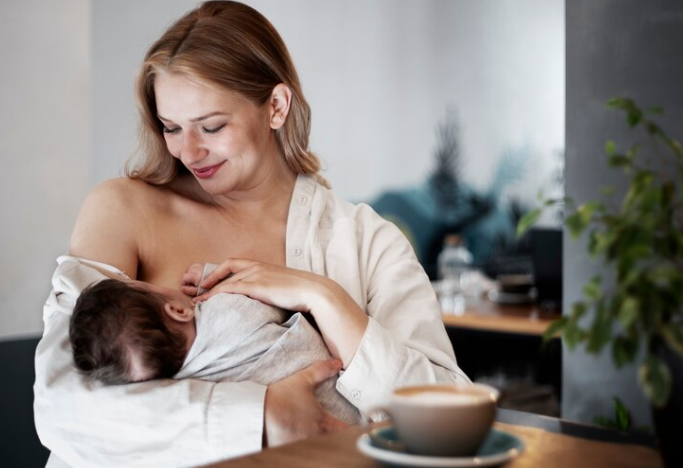
If you’re breastfeeding, treatment decisions deserve extra care.
Certain ingredients commonly used for hair loss may not be appropriate while nursing, or your provider may recommend postponing them until after weaning, which is why individualized treatment is so important.
What makes sense for one person may not be the best option for another.
When Customized Treatment Makes Sense
If your shedding feels more persistent than expected, or your hair simply isn’t recovering the way you hoped, it may be time to look beyond “wait it out.”
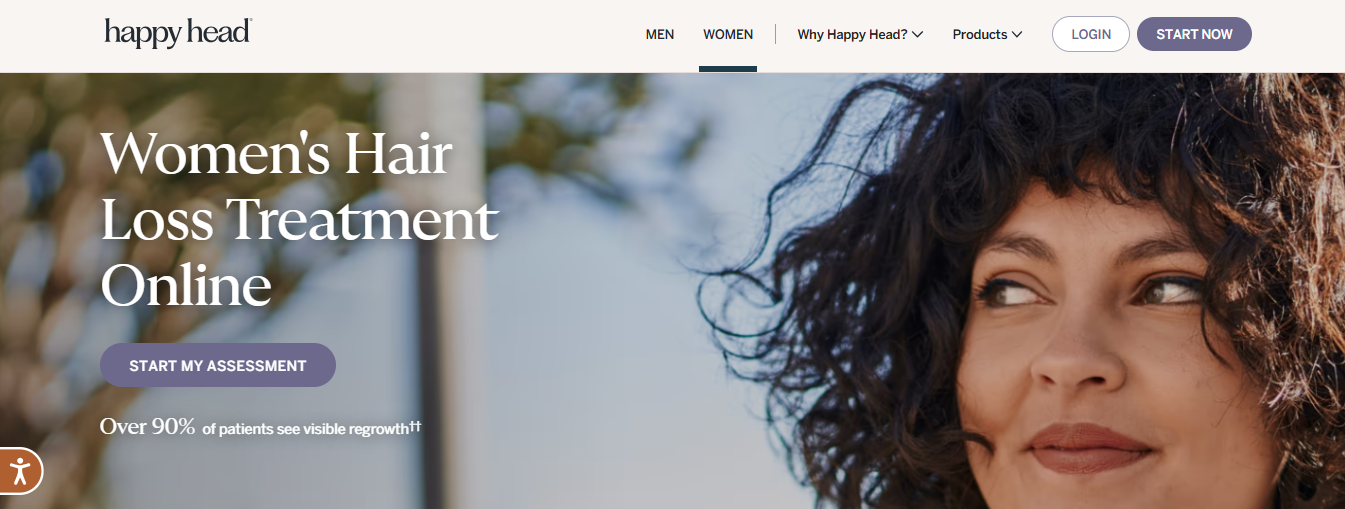
One brand I’ve enjoyed using is Happy Head because it connects you with licensed dermatology providers who evaluate your hair concerns and create customized prescription treatments based on your needs, health history, and whether you are breastfeeding.
The concept of a one-size-fits-all formula is fine, but if your treatment can be tailored with ingredients that address your specific pattern of thinning, it can be much more effective.
There are several other brands that offer customizable hair loss treatments, including Roots by GA and Hairlife. What personally stands out to me about Happy Head is how tailored the process feels for women navigating postpartum hair changes, especially when breastfeeding status and hormonal shifts can impact which ingredients make the most sense.
Styling Tips While You Wait for Regrowth
Hair regrowth takes time, but a few styling adjustments can help hair look fuller in the meantime.
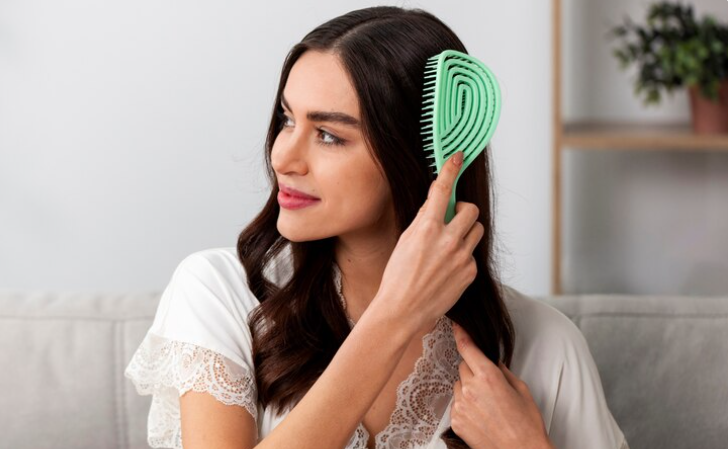
I often recommend:
- Lightweight volumizing mousse.
- Root-lifting sprays.
- Soft layers for movement.
- Drying your roots with your head upside down for max volume
When to See a Doctor
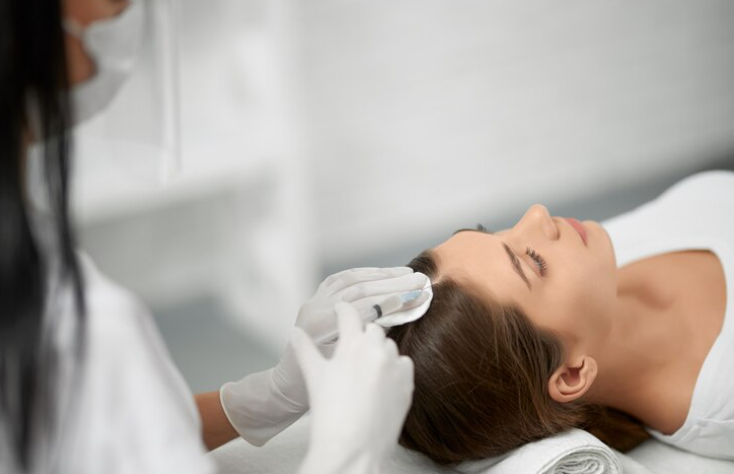
It’s worth checking in with your healthcare provider if:
- Shedding remains severe beyond 12 months postpartum.
- You feel unusually fatigued.
- Your scalp is itchy or inflamed.
- Your part continues to widen.
- You suspect low iron or thyroid issues.
Bloodwork can help identify treatable contributors such as iron deficiency, thyroid dysfunction, or vitamin D deficiency.
Final Thoughts
Having gone through it twice myself, I know postpartum hair loss can feel overwhelming, especially when you’re already adjusting to so many changes.
It’s reassuring to know that most women do see regrowth with time. Still, that doesn’t mean you have to sit back and do nothing. Focusing on scalp health, maintaining good nutrition, and using evidence-based treatments can support stronger, healthier regrowth.
And if your hair isn’t recovering as expected, personalized prescription care can help you explore treatment options tailored to your needs and stage of motherhood.
As someone who works with women experiencing hair loss, I can tell you this: postpartum shedding is common, but it doesn’t define your hair story forever. With patience, consistency, and the right support, your hair can recover beautifully.

- Postpartum Hair Treatments That Work - June 4, 2026
- Divi Scalp Serum vs. Zenagen Hair Growth Serum - May 14, 2026
- The Best Salon Software for Booth Renters - May 12, 2026