

As a cosmetologist, I hear some version of “Does my hair seem thinner to you?” more often than you might expect. Hair thinning is unfortunately something many women notice over time, especially after postpartum changes, during menopause, or during periods of high stress or hormonal fluctuation.
Recently, a client came to me seeking guidance on options for her thinning hair. Like a lot of women, the change hadn’t happened all at once and she complained of less fullness at the crown, more hair fall in the shower, and a general sense that her hair wasn’t behaving the way it used to. Naturally, the conversation turned toward hair growth products, particularly serums.
What Do Hair Growth Serums Actually Do?
I tend to think about these products in two main categories: medical treatments and cosmetic scalp support.
What often gets overlooked is the scalp itself. People usually focus heavily on the hair they can see, but the condition of the scalp plays a major role in how hair looks and feels over time. When the scalp is unbalanced (whether from buildup, irritation, excess oil, or inflammation) it can affect how hair behaves at the root. The result often looks like increased shedding, reduced volume, and a gradual loss of visible density.
I’ve also observed a noticeable shift in newer serums. Instead of leaning on promises of “miracle growth,” many brands are starting to move toward a more grounded approach, one that starts at the root: supporting the scalp environment so existing hair can look fuller, healthier, and more resilient over time.
If you’re dealing with genetic hair loss, significant thinning, or ongoing shedding tied to a medical condition, it’s always worth speaking with a professional first to rule out underlying causes. I think of serums as a supportive addition, not a replacement for clinical treatments when those are needed.
With that in mind, here’s how the two main categories differ:
- Medical Regrowth Treatments
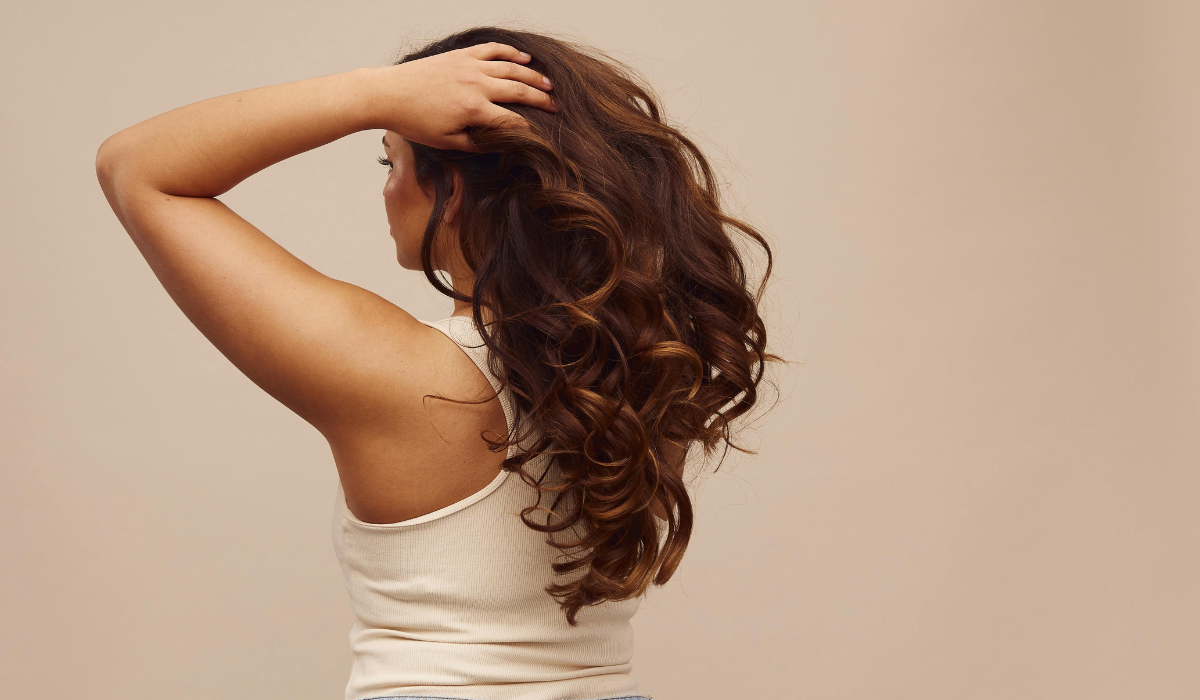
Medical regrowth treatments are designed for situations where hair thinning is more persistent, pattern-based, or tied to an underlying biological process. These products typically use active pharmaceutical ingredients, such as minoxidil, that are intended to interact directly with the hair growth cycle.
Because of this, they tend to be positioned less as beauty products and more as treatment protocols, often recommended in consultation with a dermatologist or healthcare provider. While some users do see improvement with consistent use, these options usually require long-term commitment to maintain results and may come with potential side effects or scalp sensitivity.
They also tend to feel more structured and clinical in nature, which can be a consideration for people who prefer a more lifestyle-oriented or routine-based approach to hair care.
Products like Hims, Hers, or Rogaine fall into this category. They use active ingredients like minoxidil (and in some cases finasteride or dutasteride) to stimulate regrowth.
They can be effective, but they come with tradeoffs:
- Require long-term consistency to maintain results
- May come with side effects
- Often feel more like a treatment than part of a daily routine
- Cosmetic Scalp & Density Support Serums
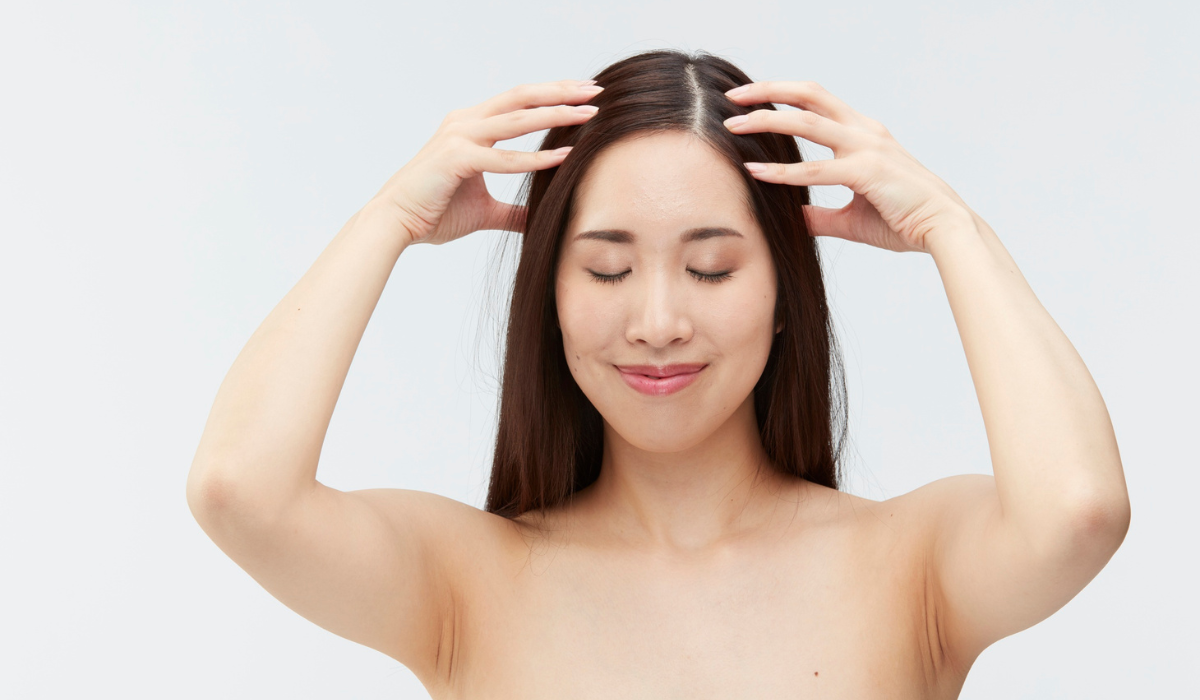
Cosmetic scalp and density serums sit on the other side of the category and represent the majority of modern hair “growth” products on the market. Rather than acting on the hair follicle in a medical sense, these formulas are designed to support the scalp environment and improve the visible appearance of hair over time.
The focus is on creating conditions where hair looks and feels fuller, stronger, and healthier, often by addressing factors like scalp balance, hydration, and overall comfort. These serums are commonly used as part of daily or weekly self-care routines and are intended to complement existing haircare rather than replace clinical treatments.
They don’t claim to regrow hair in areas where follicles are inactive, but instead aim to enhance the look of density, reduce the visible appearance of shedding, and support the overall cosmetic quality of the hair that is already present.
The Best Hair Growth Serums
Over the years, I’ve tried and researched a lot of hair products (one of the perks of being a stylist). These are some of the cosmetic serums I’ve found myself recommending most often!
Zenagen Hair Growth Serum
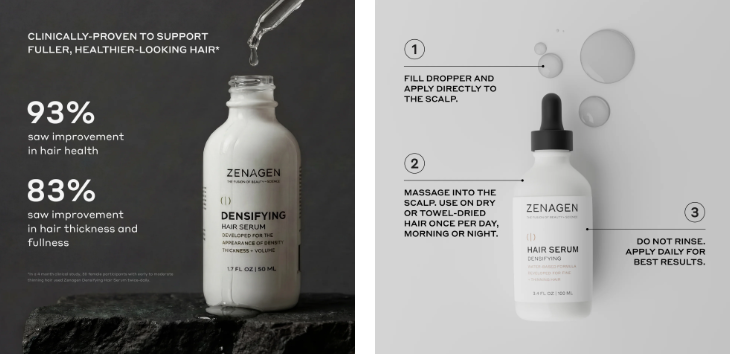
Zenagen takes a scalp-first approach, which I always appreciate. Their formulas also lean into cleaner ingredients, which is a plus for clients who are mindful about what they’re using.
Price: ~$31 for 1 oz
Instead of positioning itself as a medical treatment, this plant-based serum focuses on:
- Supporting a healthier scalp environment
- Reducing shedding over time
- Improving the look of fullness
What I like:
- Lightweight and doesn’t need to be washed out
- Clean ingredient profile
- Easy to use daily
Best for:
- Early thinning or increased shedding
- Postpartum or hormonal changes
- Long-term scalp and hair support
Vegamour GRO Hair Serum
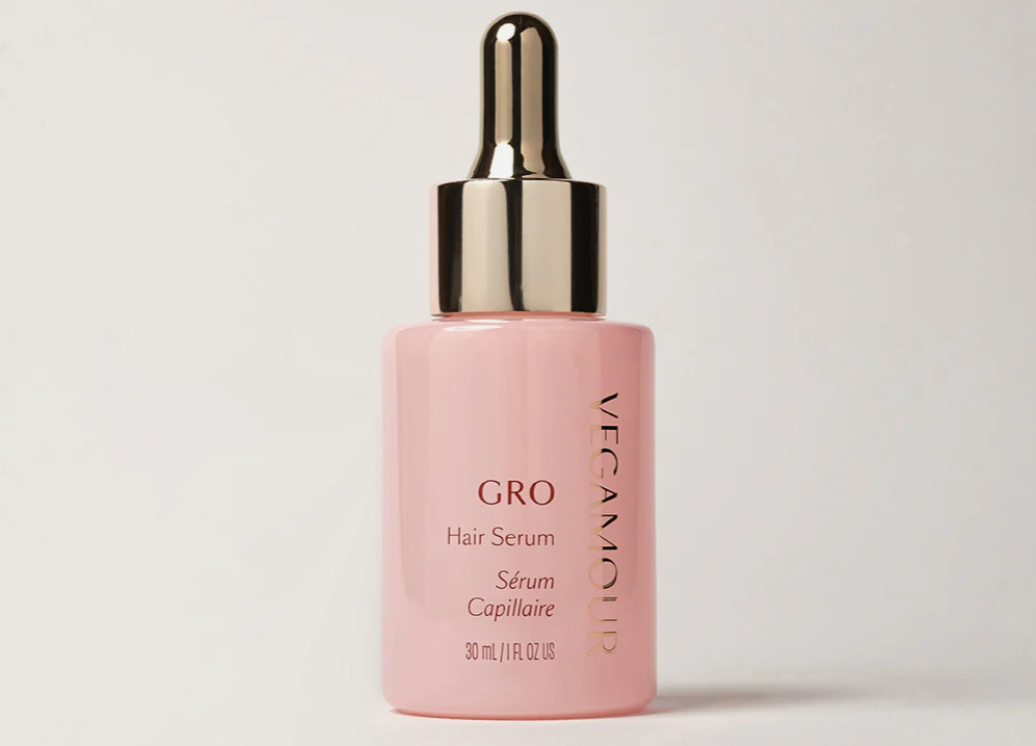
Vegamour has become popular in the clean beauty space, especially for hair density. It’s definitely more of a premium option, but it’s well-liked for a reason.
Price: ~$64 for 1 oz
What I like:
- Very lightweight
- Easy application
- Vegan, plant-based formulas
Best for:
- Mild thinning
- Preventative use
- Ingredient-conscious routines
The Ordinary Multi-Peptide Serum for Hair Density
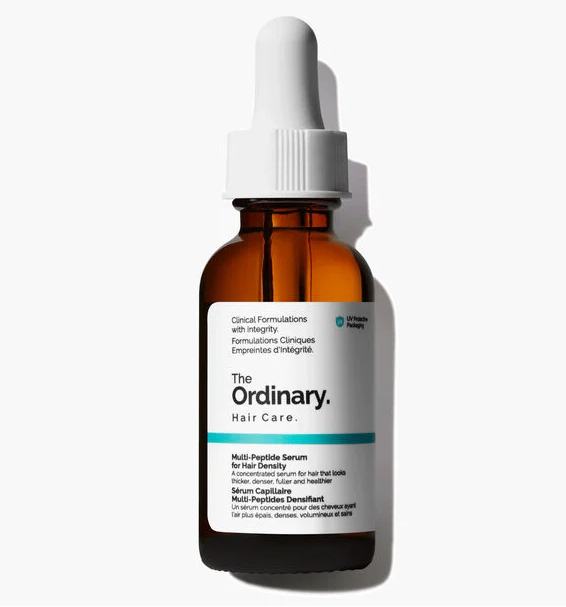
This is a great entry-level option if you’re on a budget but still want to support your scalp.
Price: ~$24 for 2 oz
It’s simple, lightweight, and focuses on peptide support. I wouldn’t consider it salon-grade, but it’s a solid starting point.
What I like:
- Affordable
- Easy to incorporate
- Doesn’t weigh hair down
Best for:
- Beginners
- Budget-friendly routines
- Testing whether serums work for you
Nutrafol Hair Serum
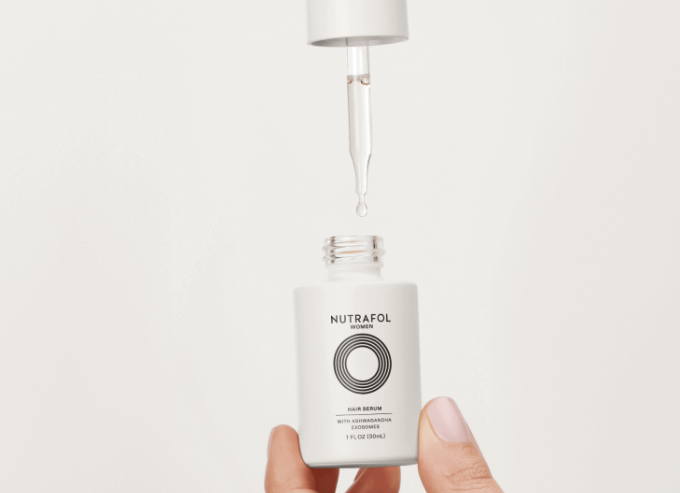
I know many people are familiar with their supplements, and this is more of an extension of that approach; Nutrafol is designed to be used alongside internal support, rather than as a standalone product.
Price: ~$49 for 1oz
What I like:
- Works well if you’re already using Nutrafol supplements
- More of a “full system” approach
- Quick absorbing and lightweight
Best for:
- People already invested in supplement routines
- Those wanting internal + topical support
Divi Scalp Serum
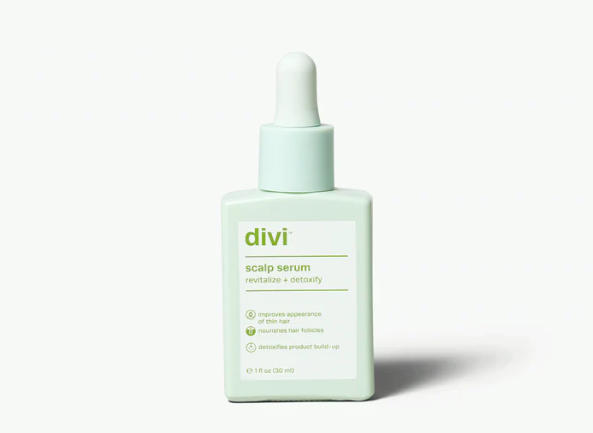
Divi is another scalp-focused brand that’s been getting attention. Their approach centers more on scalp comfort and balance than aggressive density claims.
Price: ~$48 for 1oz
What I like:
- Feels refreshing on the scalp
- Focuses on scalp comfort and hydration
Best for:
- Dry or irritated scalps
- Daily use routines
- People focused more on scalp feel than density results
Who Should Actually Be Using a Hair Growth Serum?
Let’s keep expectations realistic: hair growth serums tend to work best for early thinning, increased shedding, hormonal or stress-related changes, and fine hair that’s starting to lose density. In these cases, they can help support the scalp and improve how full and healthy the hair looks over time.
They’re much less effective for completely inactive follicles, more advanced pattern hair loss, or if you’re expecting fast, dramatic regrowth. Serums are designed to support what’s already there, not rebuild what’s been lost.
Final Thoughts
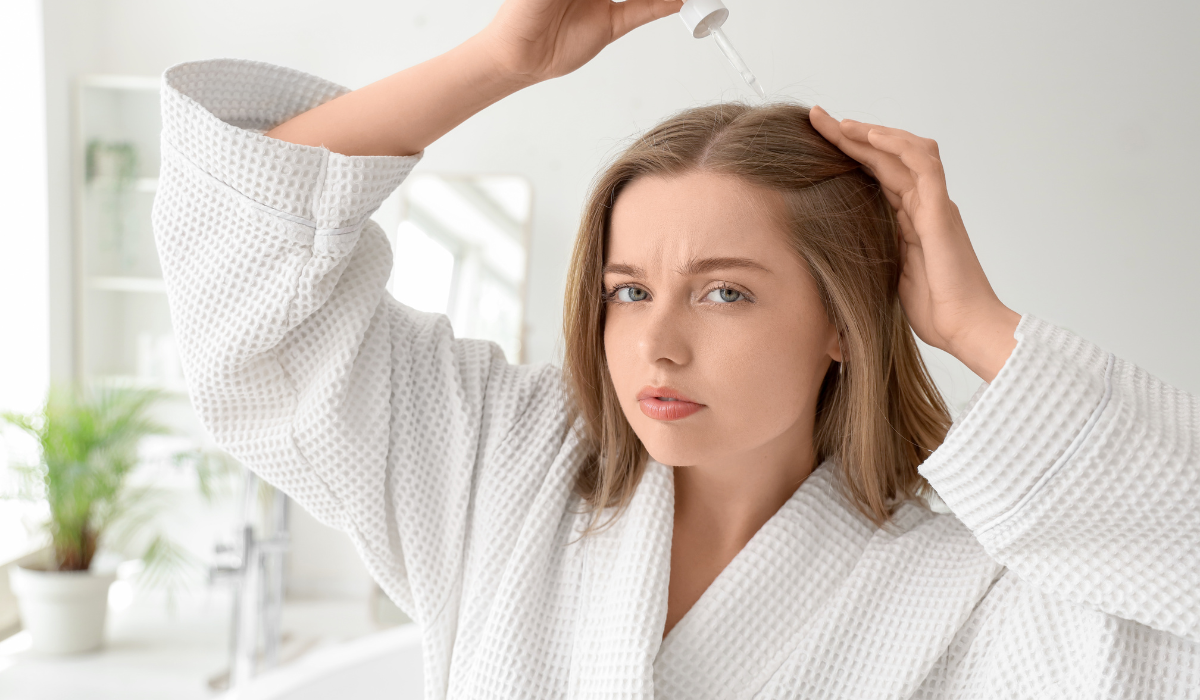
At the end of the day, most of my clients aren’t looking for anything extreme. Most women just want their hair to feel like it used to: healthy, bouncy, and vibrant. Something that fits into their routine without a lot of effort, and for many, something that leans more natural in terms of ingredients. That’s really where a good serum fits in. Not as a miracle fix, but as something that supports your scalp and hair consistently over time.
Each option included here fills a slightly different role.
- Zenagen is a great middle ground if you want a clean, scalp-first formula that’s easy to use daily, though it still requires patience to see results.
- Vegamour leans more premium and ingredient-conscious, but the price can add up over time.
- The Ordinary is a solid entry point if you’re testing the waters, just don’t expect dramatic changes.
- Nutrafol’s serum makes the most sense if you’re already committed to their supplement system, but it’s less compelling on its own.
- Divi is ideal if your focus is more on scalp comfort and hydration than visible density.
None of these are instant fixes, and each comes with tradeoffs (price, consistency, or level of results). But if you go in with realistic expectations and stick with one approach long enough to actually see what it can do, you’ll usually get much further than constantly switching products every few weeks.

- Postpartum Hair Treatments That Work - June 4, 2026
- Divi Scalp Serum vs. Zenagen Hair Growth Serum - May 14, 2026
- The Best Salon Software for Booth Renters - May 12, 2026