
Before thinking about selling packages here at our wellness spa, we were running promotions on our services to keep our calendar full and relying on add-ons to increase the client’s therapeutic value and increase our profit. But we didn’t want to just keep running specials forever.
Packages encourage clients to commit to a treatment plan they already want, rather than relying on individual service specials. This increases the average ticket value and creates predictable revenue.
Offering third-party financing at checkout can further support those sales by making higher-priced treatments more accessible.
Selling the value, not just the package

When offering a package to clients, especially a high-ticket one, the client should understand the potential benefits and value of what they’re paying for. It’s crucial to design the package so that clients know the sequence of steps, how the services work together, and what exactly is included.
Staff training in communication, sales, and the importance of trust and human connection also comes into play. A staff that has great people skills and understands the value of ongoing client relationships will be a great help in selling the package idea.
Medspa clients might be interested in committing more to their skin and body health, beyond just a one-off treatment. But a package that costs several thousand dollars feels like a much bigger decision than booking à la carte appointments. Some clients feel there’s value, but are concerned about a one-time full payment.
Build packages around treatment goals

A package offering should reflect the improvements that are most important to the client, even if they don’t know what those are yet.
Build a treatment plan around a defined concern or desired outcome. This might mean focusing on several different areas, depending on your specialties. For example:
- acne-focused treatment series
- anti-aging plan
- body sculpting
- post-weight-loss skin treatments
- preparation for their wedding or a special trip away
The package should clarify why the services belong together and what role each one plays to accomplish the client’s goals. For example, a skin rejuvenation plan might combine a series of microneedling treatments with appropriate complementary services, like chemical peels.
Think about including add-ons with the services, like a skin treatment, a retail product they can take home for ongoing treatment, or a gateway injectable service that supports the package’s goals. This gets you away from feeling pressured to offer discounts on services.
The recommendation for any package should be based on a deep understanding and knowledge of your client, their goals, and timeline – not simply increasing sales.
Price packages appropriately

To decide on pricing, I’d suggest you figure out all of the services and products you’re including at à la carte prices, then shave about 15-20% off, which will show up as a nice full-package price for your client. Make sure you’re still coming out ahead financially for staff compensation, administrative costs, and product costs.
Give signature packages names that are easy to understand and remember. They need to reflect and communicate your brand’s personality and the purpose of the package.
For example, you could offer a Complete Skin Renewal Package for someone who wants to improve overall skin appearance and is ready for a series of treatments. Price it at $1,800, with an à la carte value of $2,267.00. This package could include:
- Two microneedling treatments
- Two hydrafacial treatments
- Two peels with dermaplaning
- Home-care products: Vitamin C, retinol, and SPF
No matter how you creatively design your packages, make the details clear; include:
- Which treatments are included and in what sequence
- How many visits are anticipated
- What the package costs compared with à la carte prices of each service
- What results are realistic, including limitations and aftercare expectations
- Whether maintenance visits will be needed
- Whether skincare products are included or an additional expense
Train providers to sell through trust and great consultations

It’s important to train your staff well and communicate the value of fostering great relationships with client value at the forefront and trust-building as a necessity. A high-ticket offering can be built through quality care, thoughtful recommendations, transparent pricing, and a consistent client experience. It will also provide a steady stream of income and better ongoing relationships with existing regulars rather than leaving you chasing new clients constantly.
For many medspas, the best sales conversations happen inside the treatment room. Providers need to feel comfortable and empowered to discuss treatment plans and costs without sounding pushy.
That begins with asking good questions, such as:
- What concerns brought them in?
- What changes are they hoping to see?
- What have they tried in the past?
- What budget or schedule constraints should be considered?
Providers can then explain the recommended approach and why it may suit the client’s needs, walking through the total investment, answering questions, and explaining available payment options. The client should have room to decide without feeling pressured.
Why constant discounts can work against you

Promotions can attract attention, giving a first-time client a reason to choose your medspa for their service, and can fill slower appointment periods. But when clients see regularly reduced prices, they may learn to wait for the next offer. That can make full-price packages harder to sell, even when the treatments are worth the investment.
It’s better to offer a fantastic full-price package with complementary add-ons to enhance the overall value to the client. View promotions as a stepping stone, but offer them with a clear purpose.
Make sure your discounted price covers your full operational cost, or this practice will not be sustainable. Providers still need time to consult, prepare, perform treatments, document ongoing care, and provide post-care attention.
Third-party financing removes the barrier without cutting the price
When clients understand the treatment plan’s value but hesitate over cost, financing may be worth discussing. In the past, many medspas were forced to offer their own invoicing and installment plans in order to give clients choices beyond a large one-time payment. Over time, this increased the work hours of the staff and left them chasing after clients who fell off the schedule or didn’t keep up with their agreed-upon payment commitment.
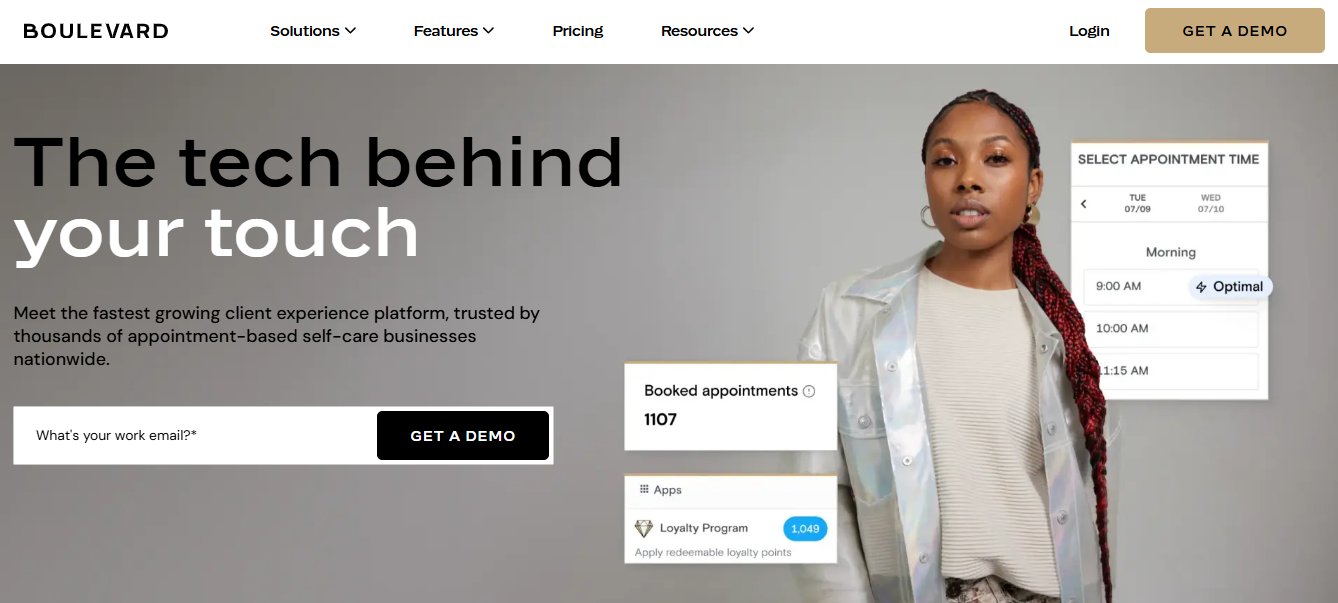
Third-party financing can make a high-ticket package more manageable while allowing a medspa to receive payment upfront for approved transactions. This may already be included in your medspa software, but if not, you can subscribe to a separate app. For example, Vagaro integrates with Affirm to offer BNPL (Buy Now, Pay Later) on booking and checkout screens, and Boulevard integrates with Affirm and Klarna.
The client undergoes a soft credit check, usually on their mobile device, that doesn’t compromise their credit score or rating. In most cases, the medspa receives full payment upfront, while the vendor manages repayment with your client and assumes all repayment risk, subject to the applicable terms and any merchant fees.
Clients can be provided with payment options by the provider during a consultation, online when viewing their appointment confirmation, or on the checkout screen. Timing matters big time on this one. If clients only learn about financing after they’ve declined your package offer, they’re likely to stick with their no or feel pressured to leap, so make clients aware of the options beforehand.
Financing should be presented as an option that allows the client flexibility and convenience, not as pressure to purchase a treatment someone can’t afford. Clients need clear information about the total cost and the terms of any payment arrangement so that they can relax and enjoy their package of treatments rather than stressing out about the overall cost.
Putting packages into daily practice

Start with a few packages that include services that are already popular and trusted by clients. Make sure they have a clear clinical purpose and consistent demand. Review with staff how to present them to clients, and coach them through the common hurdles that clients face in their decision-making. If your providers understand and can talk through client objections and where things tend to stall out, they’ll have a lot more confidence getting on board and more success getting a yes from a client.
Make the next steps consistent across the practice:
- Explain the package recommendation
- Detail the total investment and available payment options
- Know the answers to common questions
- Know where to direct clients about the financing details
- Monitor ongoing conversion stats
- Get consistent client feedback to refine and revise future offerings
- Review your results over time and make adjustments along the way
Conclusion

Selling high-ticket medspa packages embodies more than a compelling offer. It requires trust with the client, a well-designed treatment plan, providers who can confidently explain its value, and a payment process that gives clients practical choices.
When the recommendation is heartfelt, but the upfront cost creates client hesitation, third-party financing may help bridge the gap without reducing the price. The result is a more thoughtful sales process that supports both the client experience and your own business profits.

- Best Way to Sell High-Ticket Medspa Packages Without Discounting - November 13, 2026
- Olaplex Products Worth the $$$ (and Where to Buy Them) - September 6, 2026
- Marketing Ideas for Med Spa - February 4, 2026