
One of the most common conversations that happens in the salon chair actually has nothing to do with hair color or cuts — it’s hair thinning. Whether due to genetics, hormones, stress, or just time doing its thing, thinning hair and receding hairlines can take a profound toll on a person’s confidence.
Topical treatments and supplements aren’t new concepts, and because hair thinning is so common, it’s no surprise that many people are combining both approaches to try to get the best possible results.
But things can get confusing quickly when you start to ask which herbs to look for in a supplement, and, more importantly, what they really do.
When my husband started to lose his hair in his 20’s, I decided to take the “bull by the horns,” so to speak, and began my deep dive on the best supplements for hair growth. Like a lot of people, he started noticing a lot more hair shedding while shampooing, and because I know so many people struggle with the same thing, I wanted to share what I’ve learned.
Understanding the Causes of Hair Loss Before Choosing Supplements
You don’t have to be losing hair to want optimal growth. But if you are experiencing thinning, it helps to understand that it can stem from several factors:
- Genetics and follicle sensitivity to dihydrotestosterone (DHT)
- Hormone imbalance
- Stress and illness
- Inflammation and scalp health issues
- Poor circulation to follicles
- Nutritional deficiencies
- Scalp imbalance or buildup
Why does this matter? Because hair growth is not “one size fits all.” By better understanding what might be contributing to your thinning, you’re in turn better equipped to choose the right support.
Ranking Popular Hair Supplements by Evidence & Mechanism of Action
1. Saw Palmetto

Saw palmetto is one of the most frequently recommended herbal ingredients for hair thinning.
It’s been used for years in prostate health and hormone balance, but it gained popularity in the hair world because of its noticeable influence on DHT. Since DHT plays a major role in pattern hair loss, anything that helps regulate it can make a difference.
How it may help:
- Reduce activity of 5-alpha-reductase (the enzyme that converts testosterone to DHT)
- Help lower inflammation
What the literature suggests:
A review article found in Volume 16 of Clinical, Cosmetic and Investigational Dermatology Journal suggests saw palmetto contains fatty acids that may enhance hair growth and prostate health and can inhibit DHT conversion.
It’s not as strong as prescription medications, but it remains one of the most studied botanical options for DHT modulation, and is one of the ingredients I see most often recommended when people want a natural option for addressing hormone-related hair thinning.
Why people choose it:
- Gentle hormonal support
- Generally well tolerated
- Pairs well with topical treatments
2. Pumpkin Seed Oil
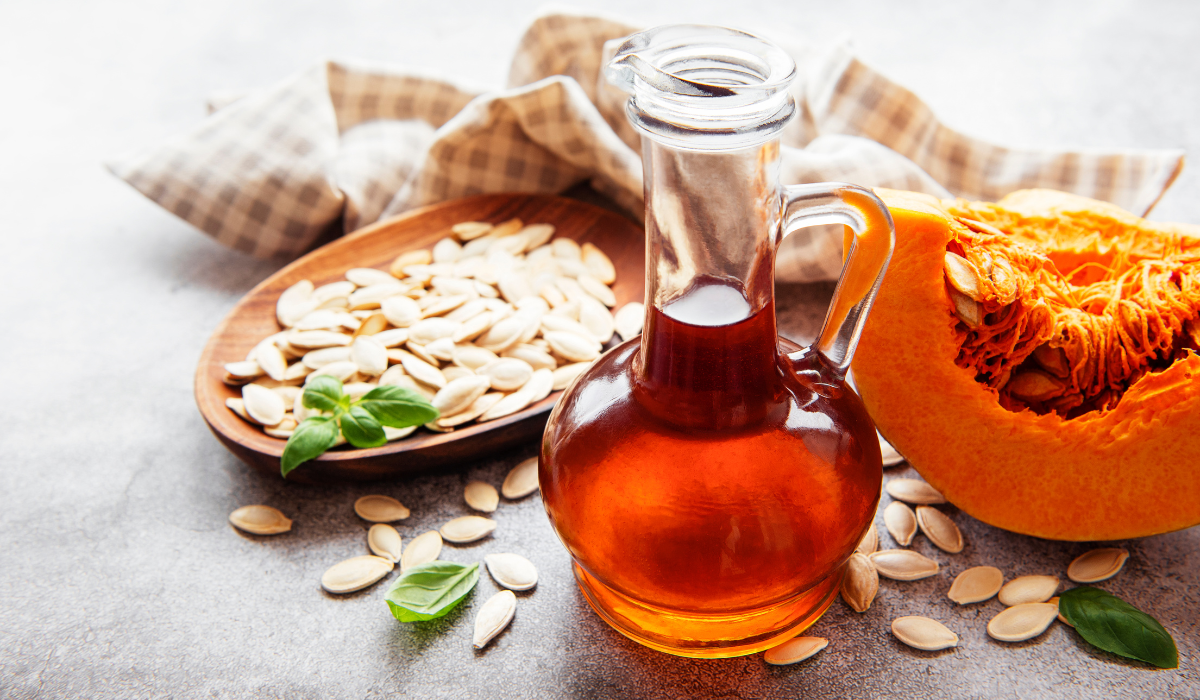
Pumpkin seed oil has become increasingly popular, and for good reason.
Clinical research has shown measurable improvements in hair count in men with mild to moderate hair loss.
How it may help:
Pumpkin seed oil contains phytosterols that may:
- Support DHT balance
- Reduce inflammation
- Improve scalp circulation
- Provide antioxidant protection
What the literature suggests:
In a randomized, placebo-controlled trial, participants taking pumpkin seed oil experienced a mean hair count increase of approximately 40% after 24 weeks, compared to around 10% in the placebo group.
While more research is always helpful, those results are definitely encouraging, and if I have a client asking which herb has some clinical backing, this is always one I mention.
Why people choose it:
- Easy to tolerate
- Offers additional heart and metabolic benefits
- Works well alongside other ingredients
3. Rosemary Oil
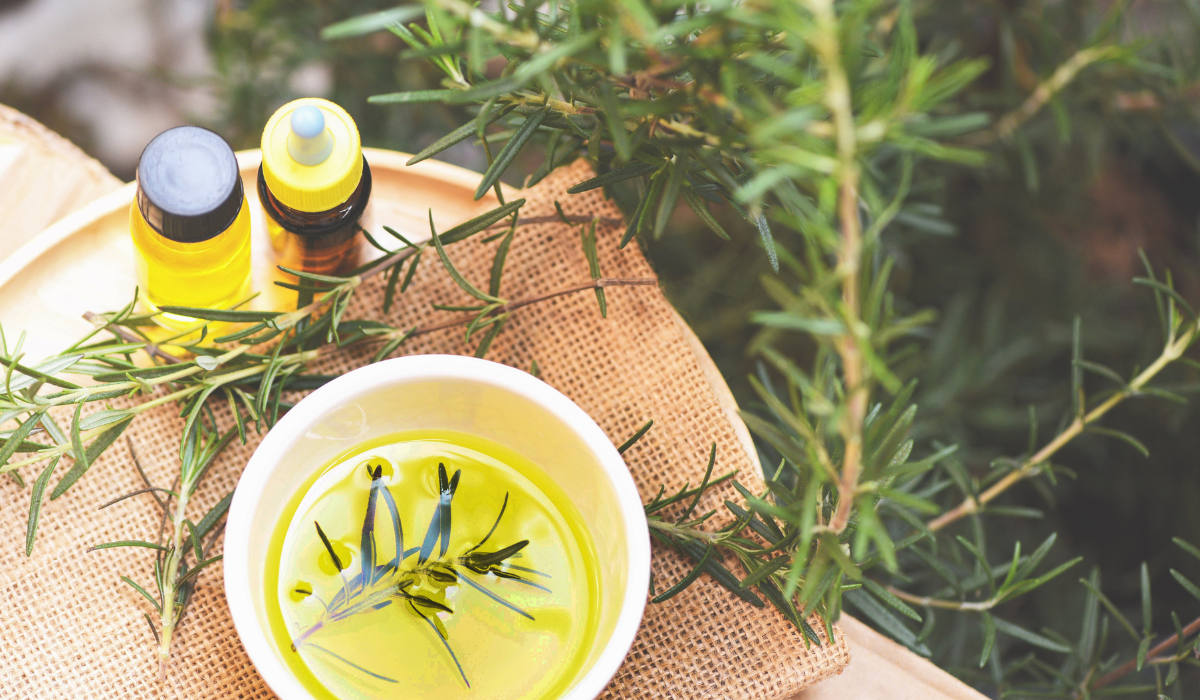
Rosemary oil has been used in traditional hair and scalp care for centuries. Recently, it’s gained serious attention because research has started backing up what people have believed for years.
And no — it’s not just a social media trend. As a stylist, rosemary oil has always been one of those ingredients that shows up in traditional scalp treatments long before it started trending online.
How it may help:
Rosemary oil is believed to support hair growth by:
- Improving scalp circulation
- Reducing inflammation around follicles
- Supporting healthy follicle function
- Providing antioxidant protection
- Potentially reducing DHT activity at the scalp
Healthy circulation is key. Hair follicles need oxygen and nutrients to stay in their anagen (growth) phase.
What the literature suggests:
A study published in Clinical, Cosmetic and Investigational Dermatology compared rosemary oil to 2% minoxidil in people with pattern hair loss. After six months, both groups saw similar improvements in hair growth. However, those using rosemary oil reported less scalp itching.
Rosemary oil doesn’t act like a medication, but it may support regrowth through improved scalp health and circulation.
More research is needed, but current evidence is promising.
Why people choose it:
- Plant-based and accessible
- Gentle option for sensitive scalps
- Supports scalp comfort and circulation
- Can complement other treatments
4. Green Tea Extract (EGCG)

Green tea extract contains EGCG and caffeine, powerful antioxidants that support cellular health.
How it may help:
EGCG may:
- Protect follicles from oxidative stress
- Reduce inflammation
- Support healthy growth cycles
- Potentially influence DHT activity at a cellular level
What the literature suggests:
EGCG (a compound found in green tea) may help inhibit 5-alpha-reductase in certain conditions and support hair follicle health. While human research is still limited, early findings suggest it may play a role in reducing hair loss. This aligns with findings from a clinical study comparing rosemary oil to 2% minoxidil, where both treatments showed similar improvements in hair growth after six months.
I love the addition of Green Tea Extract as a supporting ingredient. It doesn’t necessarily drive the hair growth, but it does really help the environment in which your hair grows.
Why people choose it:
- Antioxidant protection
- Supports the scalp environment
- Contributes to overall wellness
5. Biotin
Biotin (Vitamin B7) is one of the most recognized hair-support nutrients and probably the most commonly purchased.
It plays a major role in keratin production, which forms the structure of your hair.
What the literature suggests:
Biotin can be very helpful if you’re deficient, as low levels are linked to thinning and brittle hair. However, research shows limited evidence that biotin improves hair growth in people who already have adequate levels.
I really only suggest Biotin to anyone who knows they are deficient, but is generally safe and shouldn’t hurt your hair if you’re not.
How it helps:
- Supports keratin production
- Improves hair strength and elasticity
- Reduces breakage
Why people choose it:
- Improves hair resilience
- Supports nail and skin health
- Solid foundational nutrient
Why Combining Internal & Topical Support Works Better

Here’s where things get interesting.
Hair supplements support the internal environment and can help create the right conditions for growth, but they don’t directly stimulate follicles the way topical treatments can.
Topicals work locally by:
- Stimulating follicles
- Increasing circulation
- Reducing scalp DHT activity
- Bringing nutrients directly to the source
- Reducing inflammation
Supplements work systemically by:
- Supporting internal nutrient supply
- Moderating hormonal influences
- Reducing inflammation and oxidative stress
- Strengthening hair structure
They’re addressing similar goals, just from different angles.
I like to think of it this way:
Topicals stimulate the scalp, while supplements provide internal support
When layered together, they create a much more complete strategy.
What Supplement Should I Choose?
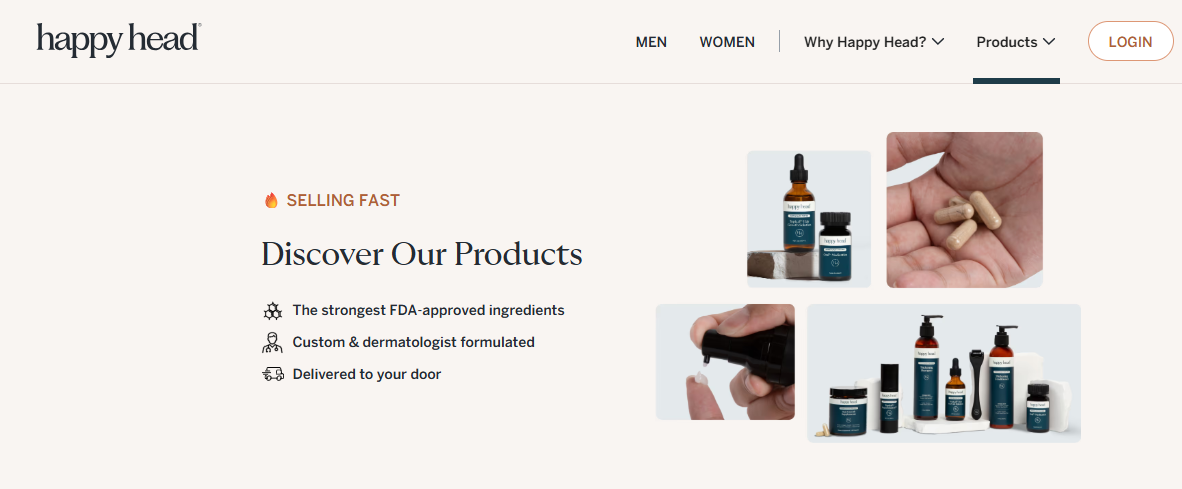
Once I knew I wanted to approach my husband’s hair thinning from multiple angles—both topical and internal—I started looking more seriously at supplements that could support that.
And honestly, this part felt a little overwhelming at first. There are so many “hair growth” supplements out there, and a lot of them feel like they’re just throwing trendy ingredients together without much thought behind it.
As I started digging deeper and comparing options like over the counter finasteride, nutrafol, and Keeps. For me, Happy Head stood out to me because it felt more intentional in how it approached internal support—it’s something that could complement a topical routine rather than try to replace it entirely.
The formulas combine ingredients like minoxidil, finasteride, vitamin D3, and other nutrients commonly used in hair support protocols to help:
✔ Support DHT balance
✔ Help nourish the follicle
✔ Deliver antioxidant protection
✔ Support overall scalp and hair health
By pairing this oral supplement or medication with a botanical serum, you get both systemic internal support and direct topical stimulation.
It’s a more comprehensive approach rather than relying on just one method.
Another popular option is Hims & Hers which has a similar concept – combining active ingredients like minoxidil or finasteride with other vitamins that support hair growth. Their focus is not just on hair growth however, they also address a variety of health and wellness concerns like erectile dysfunction, weight loss, skincare etc.
People have experienced success with both, but I personally appreciate Happy Head’s focus on hair-specific formulations and the simple process they have in place to get personalized treatment options.
Building a More Complete Hair Regrowth Strategy
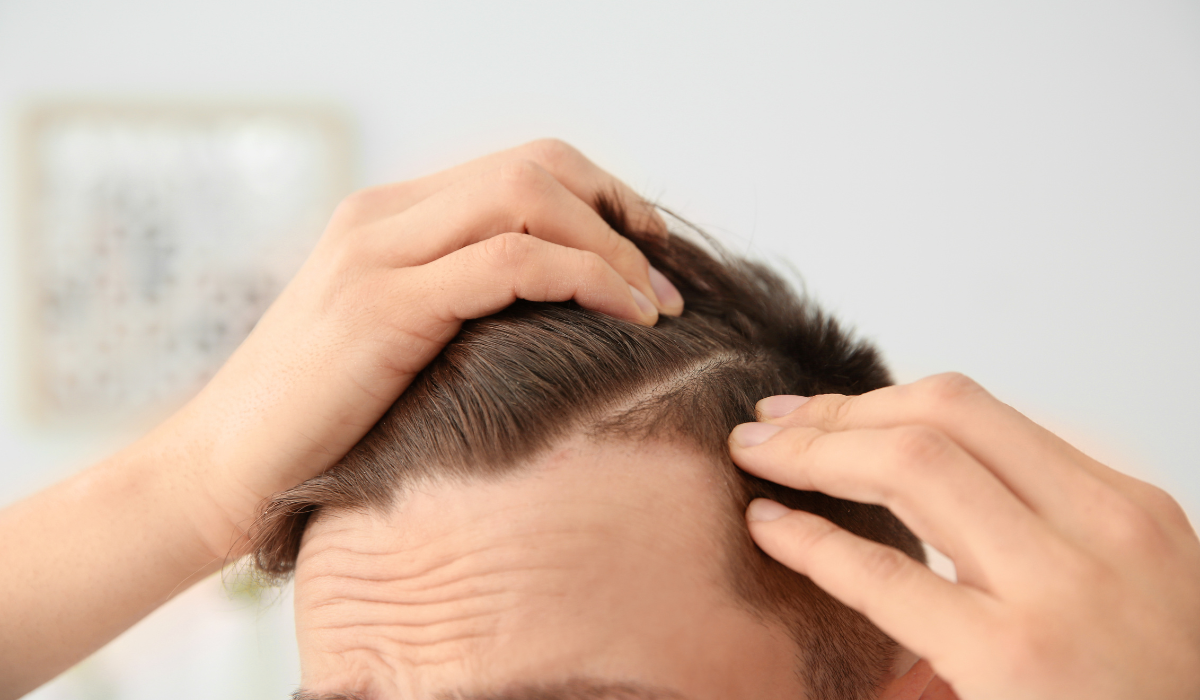
If you’re thinking about adding supplements, here’s a balanced way I recommend to approach it:
Support the scalp directly
Use a topical treatment designed to stimulate follicles and support growth. Look for products containing herbs like saw palmetto, pumpkin seed oil, and green tea extract.
Support the body internally
A professionally formulated supplement can provide nutrients and botanicals and combine them with active ingredients such as minoxidil for more comprehensive support.
Reduce contributing factors
Focus on:
- Stress management
- Nutrition
- Sleep quality
- Scalp hygiene
Be patient and consistent
Hair growth cycles take time. Visible improvement typically occurs within three to six months, sometimes longer.
What to Expect Realistically

With consistent use and a balanced plan, many people notice:
- Reduced shedding
- Stronger strands
- Improved fullness
- Better scalp comfort
- Healthier-looking hair
As always, results vary depending on genetics, health, and consistency.
Any time you ingest a supplement, there is a risk for side effects or interactions with other medications. Always speak with your doctor before starting something new.
And anytime you try a new topical solution, monitor your scalp for irritation or sensitivity.
Final Thoughts
After doing quite a bit of research, and helping my husband through his hair thinning, one thing is for certain: there is no single supplement that magically restores hair overnight.
But when internal support is paired with targeted topical treatments, you create a more complete and supportive strategy, rather than relying on just one tool.
If you’re navigating thinning hair, the goal isn’t perfection, It’s creating the healthiest possible environment for growth.
And when you combine consistency with realistic expectations, that’s when you tend to see the best long-term results.

- The Best Hair DNA Test Kits - April 1, 2026
- Best Herbal Supplements for Hair Growth - March 23, 2026
- The Best Laser Helmets for Hair Growth - March 13, 2026