
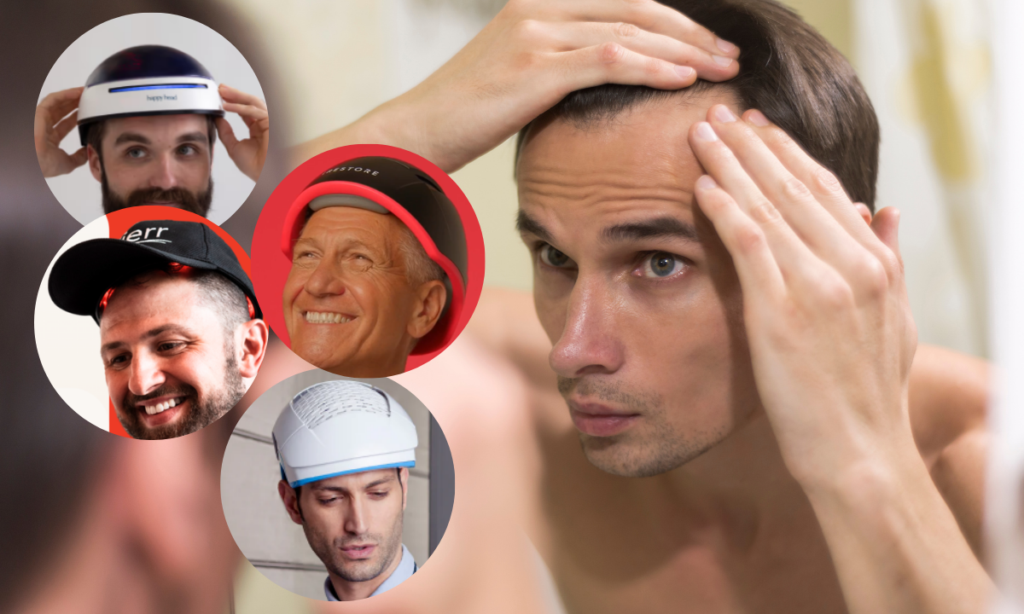
When my clients’ hair starts to thin, I usually get one of two responses: they are usually completely caught off guard, or thanks to a clear image of their gene pool, they are disappointed but unsurprised.
Whether they were awaiting the ticking time bomb or caught off guard, their question is ultimately the same: “What can I actually do about this?”
Over the last few years, one category of hair-loss tools that has gained a lot of attention is laser helmets for hair growth. These wearable devices use something called low-level laser therapy (LLLT) to stimulate the scalp and support follicle activity.
Clients ask me about these devices fairly often, especially those who want to explore options beyond shampoos, medications, and topical treatments.
But, like many things in the hair-loss world, it’s important to understand what they actually do and what they don’t do.
To set expectations right away: laser helmets are not miracle devices, and they aren’t designed to replace medical treatments. What they can do is help support follicle activity and scalp health when used consistently as part of a broader routine.
Below, we’ll look at several of the most well-known laser helmets available today.
Understanding Hair Loss Before Choosing a Device
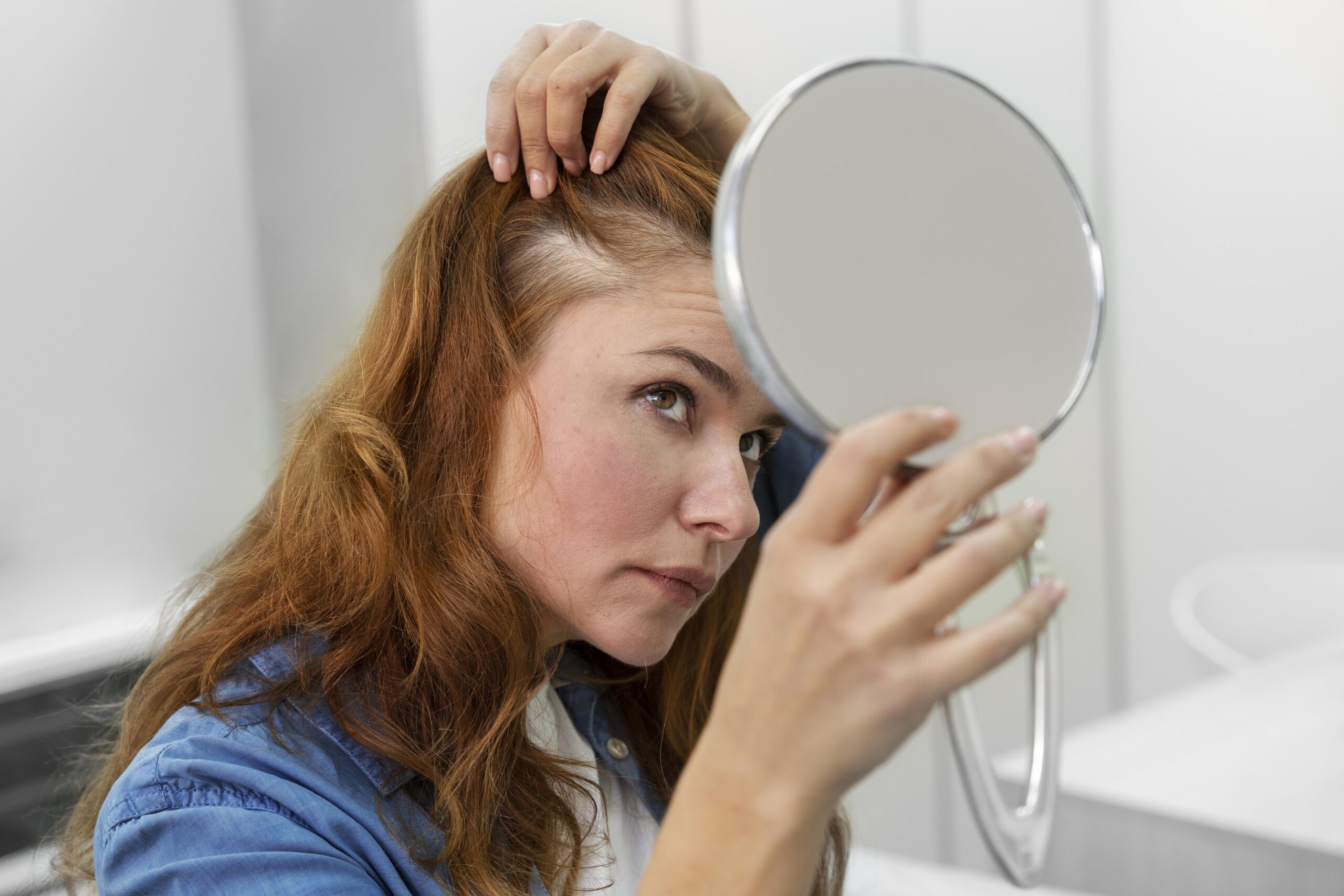
Before jumping straight into tools and treatments, it helps to understand that hair thinning can happen for a variety of reasons.
Some of the most common contributors include:
- Genetics and DHT-related follicle shrinkage
- Stress and hormonal changes
- Poor circulation to the scalp
- Inflammation or scalp imbalance
- Nutritional deficiencies
- Illness or medication
- Product buildup or clogged follicles
By understanding what the cause of your hair thinning is you can more effectively attack the issue, because not every hair-loss solution works the same way. Some treatments focus on improving scalp health, while others address hormonal causes like DHT.
In my opinion, laser helmets fall into the category of supportive therapies. They aim to improve the environment around hair follicles rather than directly altering hormones or forcing new growth. It’s an important distinction when deciding whether one might be right for you.
What Is a Laser Helmet?
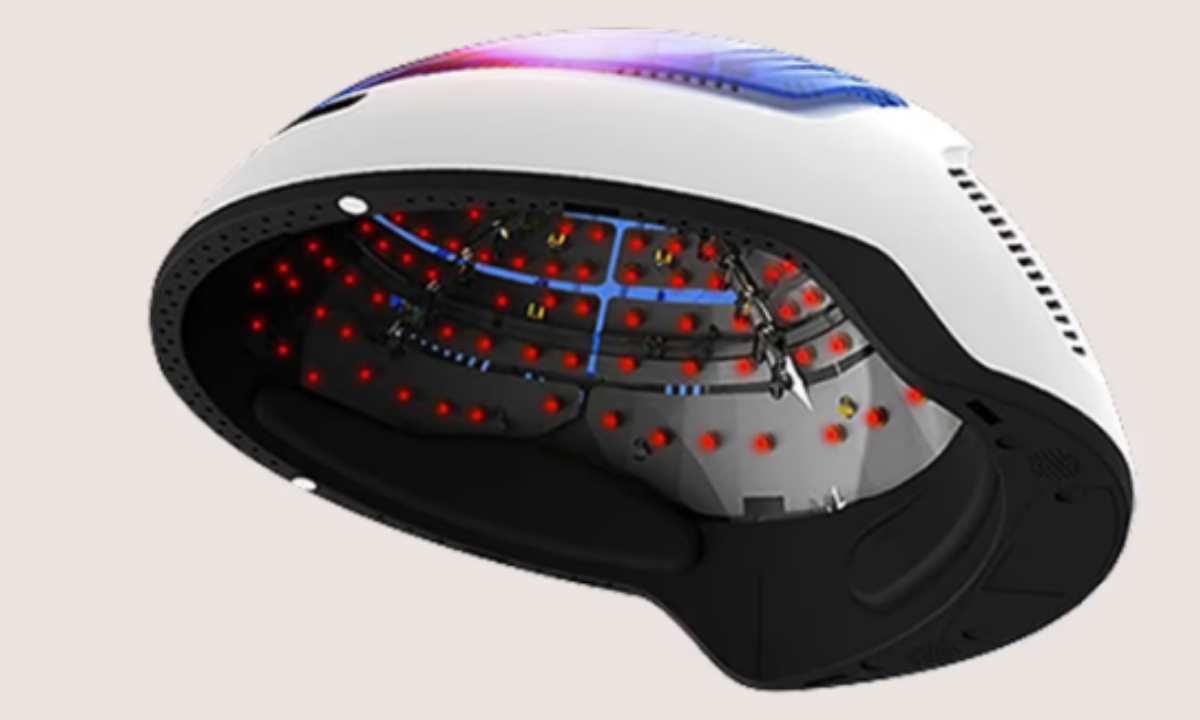
A laser helmet is a wearable device designed to deliver low-level laser therapy (LLLT) directly to the scalp.
Inside the helmet are small laser diodes that emit red/near red light at specific wavelengths, usually around 630–680 nanometers, which is within what is sometimes referred to as the “therapy window”. This light penetrates the scalp and interacts with the cells inside hair follicles. The process is often called photobiomodulation.
Most devices are worn for short sessions several times per week, allowing the light to reach follicles without generating heat or damaging tissue.
How Low-Level Laser Therapy Works
To understand why these devices work, it helps to look at what’s happening inside a hair follicle. Hair follicles require energy to grow hair. That energy comes from structures inside cells called mitochondria, which produce a molecule called ATP (Adenosine Triphosphate).
Low-level laser therapy appears to stimulate these mitochondria, potentially increasing ATP production and improving follicle metabolism.
Researchers believe this process may help:
- Increase cellular activity in hair follicles
- Improve circulation in the scalp
- Reduce inflammation around follicles
- Encourage follicles to remain in the anagen (growth) phase longer
In simpler terms, laser therapy may help support the environment that healthy hair growth requires. However, it’s important to keep expectations realistic; laser therapy does not block hormones like DHT, and it doesn’t resurrect follicles that are completely inactive.
What Research Actually Shows
Low-level laser therapy has been studied for several decades, and there is some legitimate research literature supporting its use for hair loss.
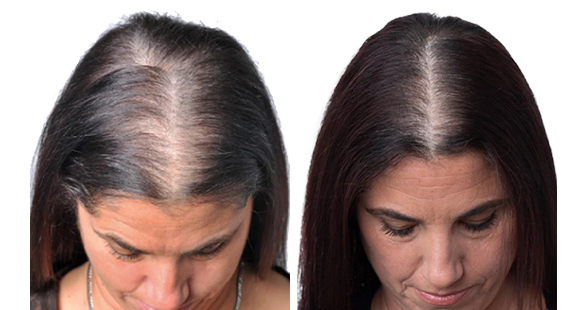
Several clinical trials have shown improvements in hair density and thickness in individuals with androgenetic alopecia when LLLT devices are used consistently over several months.
Most studies evaluate results after 16 to 24 weeks of regular treatment. That being said, results are typically modest and gradual.
Laser therapy tends to work best for:
- Early thinning
- Mild to moderate hair loss
- People who still have active follicles
It’s generally less effective for advanced baldness, where follicles have already become dormant.
Because of this, it is best to use laser therapy alongside other treatments, such as topical minoxidil or prescription therapies. Again, think of it less as a standalone cure and more as one piece of a hair-growth strategy.
What Actually Matters When Choosing a Laser Helmet
When I first started researching laser helmets, I noticed that a lot of them look fairly similar. However, there are a few key things worth paying attention to.
Number of Laser Diodes
More laser diodes generally provide more even coverage across the scalp, which is great for anyone who is experiencing diffuse thinning. Some devices combine laser diodes with LED lights, while others rely primarily on lasers only.
Both approaches can provide photobiomodulation, but I personally prefer pure laser systems because they typically deliver more concentrated light.
Wavelength
Most research supporting hair-growth devices focuses on wavelengths around 650 nanometers, which appear to stimulate follicles most effectively, but anywhere between 630-670 is pretty standard for home use tools.
Treatment Time
Most helmets require sessions between 15 and 30 minutes, usually several times per week. In my opinion, consistency matters much more than intensity.
Comfort and Ease of Use
Because these devices require weekly and sometimes daily use, comfort is actually a big factor. If a device is awkward or inconvenient, you’ll probably be less inclined to use it on a regular basis.
Top Laser Helmets/Caps
Happy Head Advanced Laser Helmet Hair Growth System
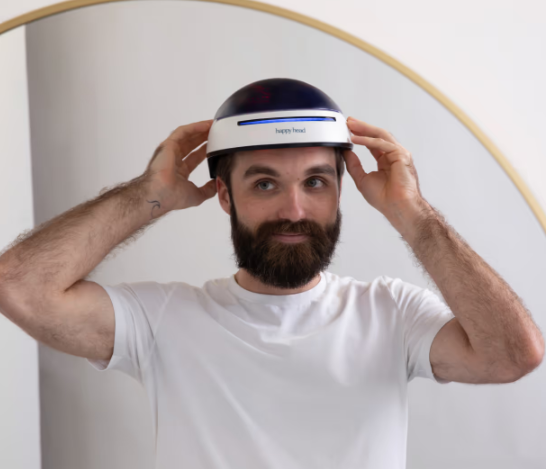
The Happy Head Laser Helmet is designed as part of a broader hair-loss treatment regiment. Happy Head is mainly known for their tailored prescription treatments, particularly topical finasteride and minoxidil formulas. These medications target the hormonal causes of androgenetic alopecia.
Rather than presenting the helmet as a cure for hair loss, the company positions it as a complementary tool, which I appreciate because it feels more honest. Prescription medications can address the internal drivers of hair loss, while laser therapy can help support follicle activity and scalp health.
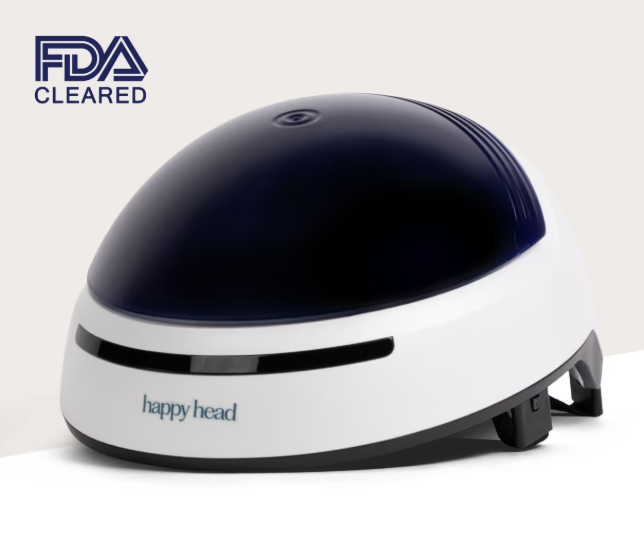
Number of Diodes:
- FDA approved 204 diode lasers (no LEDs).
Wavelength:
- 650nm
Treatment Time:
- Happy Head recommends you use the helmet for 30 min 3-4 times a week, but has settings to allow for 25, 30, or 35 min.
Comfort:
- They are really positive comfort reviews from users, which is great. It’s lightweight, and many people find it easy to “set and forget”.
iRestore Elite Laser Hair Growth System
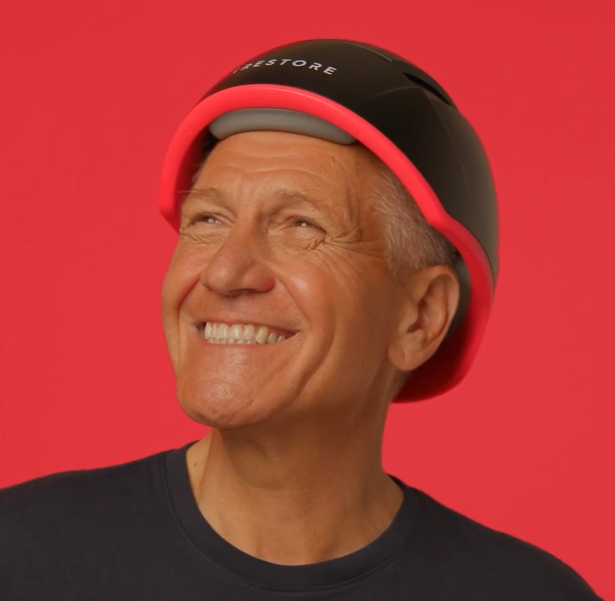
The iRestore Elite is one of the most widely recognized laser helmets in the hair-loss space. It uses a combination of laser diodes and LEDs to deliver light therapy across the scalp.
One of the main advantages of this device is its moderately short treatment time. Their website instructs you to use it for 25 minutes every other day, but many users report that they wear it for about 12 minutes per day, which can make it easier to incorporate into a routine.
As with all laser therapy devices, consistency is key, and to see real results, you need to give it at least 3-6 months.
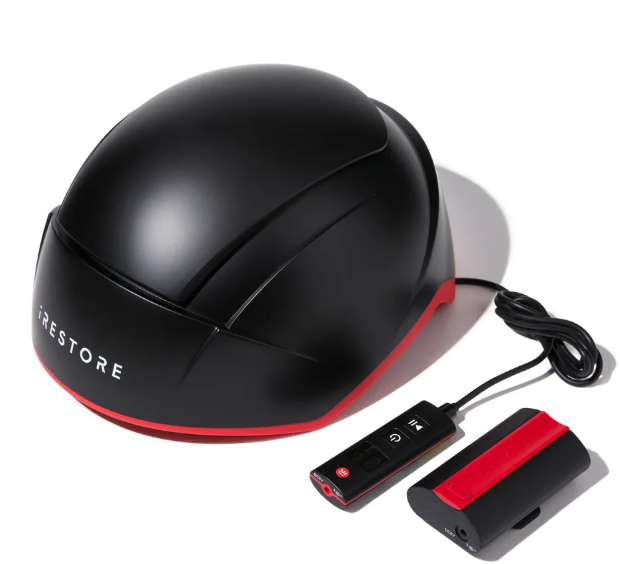
Number of Diodes:
- FDA approved 282 diodes: laser and LED
Wavelength:
- 655nm
Treatment Time:
- Recommended on their website to use 25 minutes every other day, and has a fixed timer of 25 minutes.
Comfort:
- There are overall positive reviews about the comfort level, but some report that their head does get uncomfortably warm sometimes, probably due to the LED lights, which can emit more heat than lasers.
Kiierr Laser Cap
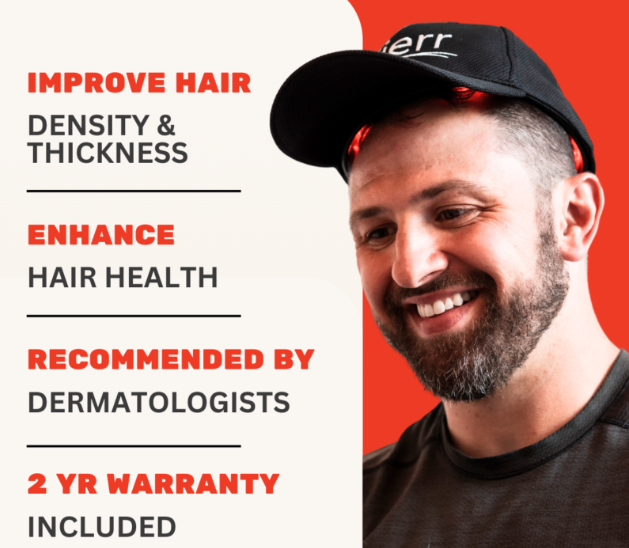
Kiierr devices are technically laser caps rather than helmets, but they operate using the same underlying concept. These caps contain multiple laser diodes and are designed to be worn underneath a regular baseball cap and include a Kiierr logo hat.
Because hair loss can feel a little embarrassing to some, people appreciate the portability and discreet design. I think it’s important to note, however, that it’s not exactly 100% discreet…you still have to be plugged into the battery pack, which means there is a cord sticking out from the back of the cap.
Also, it seems to have less coverage than other brands, so some people prefer a helmet for the positioning and full-scalp coverage.
Overall, it’s a solid device, but if you have diffuse hair thinning and need full coverage, the cap might not be your best option.
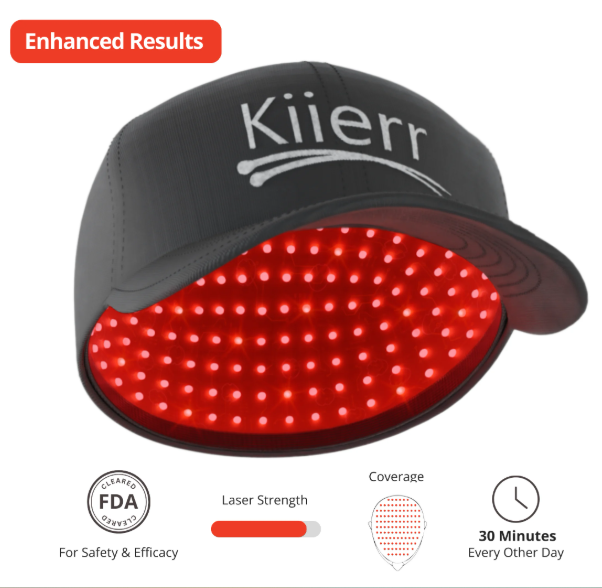
Number of Diodes:
- FDA approved 272 diode lasers (no LEDs)
Wavelength:
- 650nm
Treatment Time:
- Recommended online to wear for 30 minutes every other day.
Comfort:
- Kiierr has many positive reviews for overall comfort, and users appreciate that it feels light on their head.
HairMax Lumina

The HairMax Lumina is one of the company’s more advanced helmet-style laser therapy devices (they also offer a cap and headband option), designed to provide full-scalp coverage using LLLT.
One feature that makes the Lumina stand out to me is its relatively short treatment time; their instructions say to wear the helmet 3x a week for seven minutes. This could be due to the high number of pure laser diodes. So if time efficiency is your biggest concern, this could be a great option.
Like other laser therapy devices, it is designed to stimulate follicle activity and support hair growth over time through consistent use rather than immediate results.
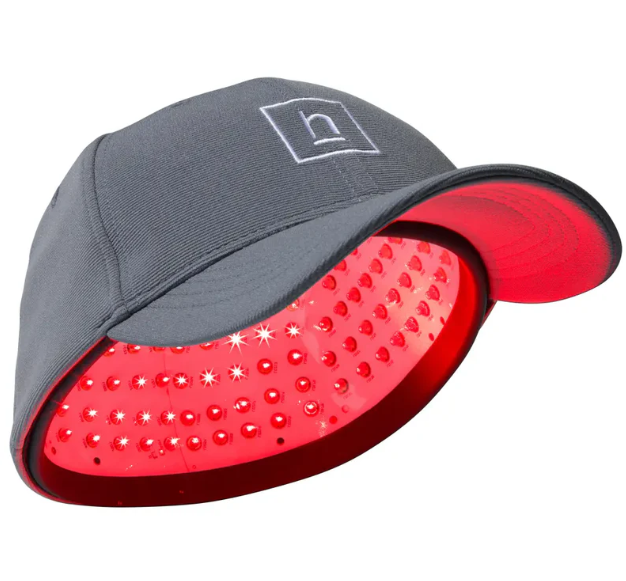
Number of Diodes:
- FDA approved 272 diode lasers (no LEDs)
Wavelength:
- 650nm
Treatment Time:
- 7 minutes 3x a week.
Comfort:
- Users report that the helmet is comfortable to wear and does not overheat due to the “Cool Comfort Tech”, which is essentially holes to allow your scalp to breathe while using.
Theradome PRO LH80
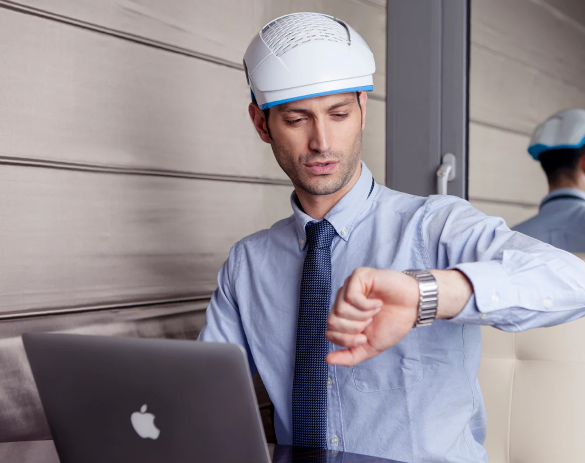
Theradome was one of the earlier companies to release FDA-cleared laser helmets designed specifically for hair growth. Treatment sessions typically last about 20 minutes, 2x per week, which is slightly less frequent than some other devices.
Some things to keep in mind: Theradome Pro LH80 has significantly less laser diodes than most other brands. The reason for the shorter treatment times lends to the fact that their wavelength is longer than most other brands at 680nm, which may allow for better penetration, but the concern for me is whether its coverage is sufficient with the diodes so spread apart.
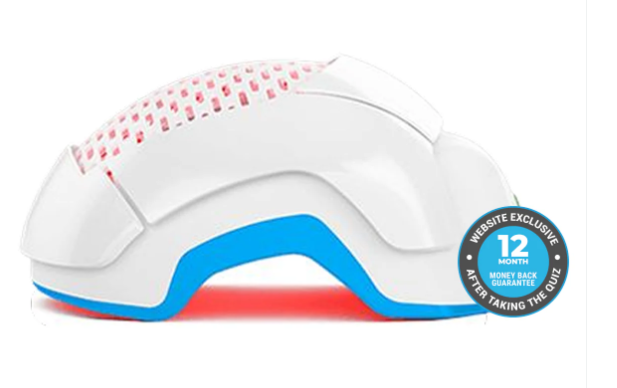
Number of Diodes:
- FDA approved 80diode lasers (no LEDs)
Wavelength:
- 680nm
Treatment Time:
- 20 minutes 2x per week.
Comfort:
- Again, users report overall comfort, but some say the diodes feel a little “spikey”, which could be uncomfortable, especially if you have a sensitive scalp.
Laser Helmets vs Prescription Hair Loss Treatments
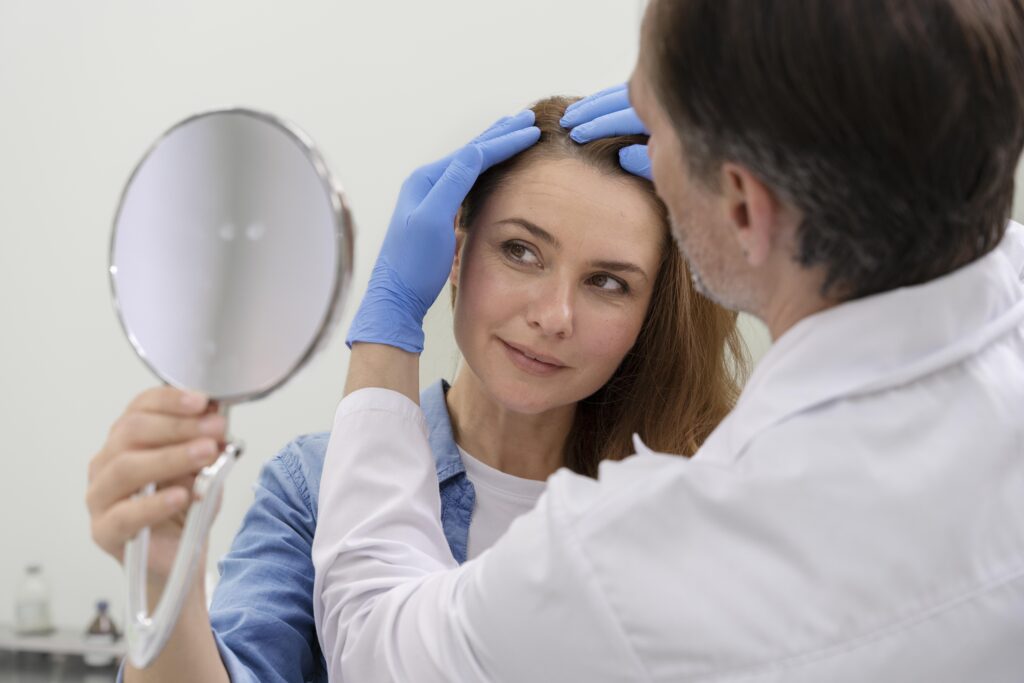
I think this is where a lot of confusion happens, and honestly, it makes sense why when you’re getting mixed information. Laser helmets are often marketed as drug-free alternatives, when in reality they actually serve a completely different role and purpose than prescription treatments.
Medications like finasteride work by reducing levels of DHT, the hormone responsible for shrinking hair follicles in pattern hair loss.
Minoxidil works by widening blood vessels in the scalp and allowing for increased oxygen and nutrients to the follicles, which helps prolong the growth phase of the hair cycle.
Laser therapy, on the other hand, focuses on cellular stimulation and scalp circulation. Because these approaches target different aspects of hair loss, many dermatologists recommend combining them rather than choosing only one.
For example, a treatment plan might include:
- Topical minoxidil
- Prescription finasteride
- Microneedling plus a serum
- Low-level laser therapy
When used together, these approaches may provide better support for hair follicles than any single treatment alone.
Important Things to Know Before Starting
If you’re considering laser therapy, here are some things I talk to my clients about before purchasing.
You have to commit
Skipping sessions regularly will make it difficult to evaluate whether the device is helping and give you inconsistent results.
Results take time
If 3-6 months feels like too long and you can’t commit to giving it a real try. This may not be the best option for you.
It works best as part of a routine
You can use it alone, but laser therapy really performs best when combined with other supportive treatments.
Consult a professional when needed
If hair loss is sudden, severe, or medically related, it’s always best to speak with a dermatologist before starting new treatments.
Final Thoughts
Laser helmets are one of the more interesting developments in at-home hair-loss tools, and I have multiple clients who really do love to use them! They’re non-invasive, relatively easy to use, and as they continue to be tested, show really promising results.
When clients ask for a laser helmet recommendation, I usually direct them to Happy Head because I feel their brand really is user-friendly, well-thought-out, and comfortable. My second recommendation is generally HairMax Lumina if saving time is their biggest concern, and because it sticks to laser-only diodes.
If you’re really serious about addressing your hair thinning, I wouldn’t recommend this as a cure, but I would absolutely consider adding it to an already well-thought-out haircare routine.
When it comes down to it, hair growth doesn’t add up to one tool or one supplement. It usually comes from consistency, your health, and the use of the right tools.
Laser therapy can absolutely be one of those tools. Just not the only one.

- The Best Hair DNA Test Kits - April 1, 2026
- Best Herbal Supplements for Hair Growth - March 23, 2026
- The Best Laser Helmets for Hair Growth - March 13, 2026